
Tankers Move Energy, Bunkers Deliver It — Here’s How They Differ
In the world of maritime logistics and oil trading, the terms tanker and bunker are often used together. However, they describe two distinct operations within the marine fuel chain. Both are essential to the movement and consumption of liquid fuels but their functions, objectives, and handling processes differ entirely.
At Pilot for Supply, understanding and managing these distinctions is crucial to ensuring smooth, safe, and efficient refueling and transport operations across Egyptian ports and anchorages.
What is a Tanker?
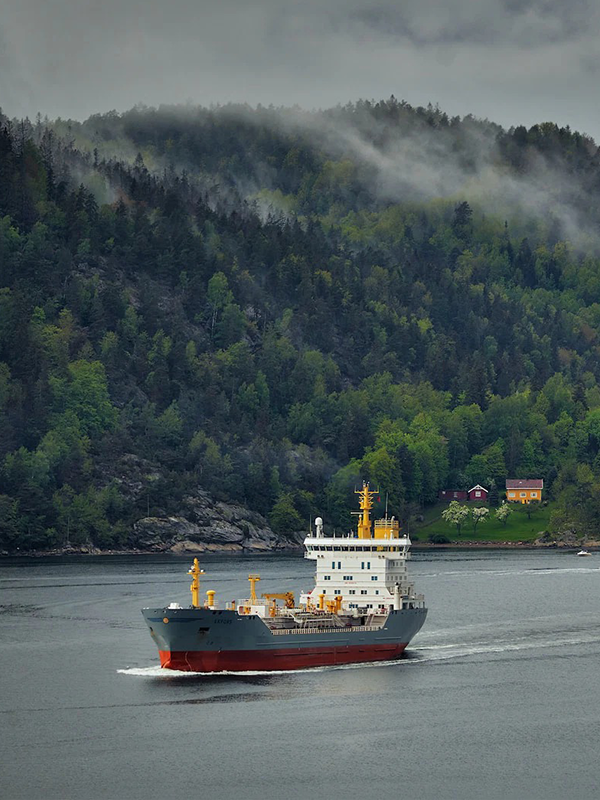
A tanker is a type of vessel specifically designed to carry liquid cargo in bulk. This includes crude oil, refined petroleum products (such as diesel and gasoline), chemicals, or even liquefied gases like LNG and LPG.
Tankers feature multiple cargo tanks, pumping systems, and pipelines, enabling them to safely load, transport, and discharge liquid cargo across long distances.
The primary goal of a tanker is transportation moving large volumes of fuel or chemicals from production sites to refineries or distribution terminals.
For instance, a crude oil tanker might transport oil from the Arabian Gulf to refineries in the Mediterranean or Asia. Tankers therefore form a vital link in the international energy supply chain, connecting producers, traders, and markets worldwide.
What is a Bunker?
A bunker, on the other hand, refers to the fuel used to power a vessel’s engines and generators. It’s not the cargo being carried, but the energy source that enables ships to operate.
The process of supplying this fuel is called bunkering. It involves delivering marine fuel typically Heavy Fuel Oil (HFO), Marine Gas Oil (MGO), or Low-Sulfur Fuel Oil (LSFO) directly to ships, either at berth or offshore through bunker barges or tankers.
Bunkering is a specialized service that requires precision, safety, and compliance with international standards, particularly those set by IMO 2020, which regulate sulfur emissions in marine fuels.
In short, tankers transport fuel as cargo, while bunkering provides fuel for ships’ operation.
The Key Difference
The distinction between tankers and bunkers comes down to purpose:
- Tankers are part of the fuel transportation network, carrying liquid cargo between locations.
- Bunkers represent the ship’s operational fuel, used for propulsion and onboard systems.
This difference defines their roles in the broader logistics chain tankers deliver energy globally, while bunkering delivers energy directly to ships to keep them sailing.
How They Work Together
Despite their different functions, tankers and bunkers are interconnected.
A tanker might discharge refined fuel into a port storage facility. From there, bunker suppliers like Pilot for Supply handle the next stage transferring that fuel to vessels requiring refueling. This is done through bunker barges or road tankers, depending on the port’s setup.
This close relationship ensures an uninterrupted flow of marine fuel from refineries to vessels, forming the foundation of global shipping operations.
Why This Distinction Matters
Recognizing the difference between tanker transport and bunkering supply is vital for all maritime stakeholders:
- For port authorities: It helps ensure safer, more efficient operations during fuel transfer.
- For ship operators: It enables compliance with international fuel standards and emission controls.
- For energy traders: It clarifies the logistics chain between transporting fuel as cargo and supplying it as ship fuel.
For Pilot for Supply, this understanding translates into reliable bunkering services, optimized logistics, and strict safety standards. Our team ensures timely, compliant, and efficient fuel deliveries across Egypt’s key ports.
Conclusion
While both tankers and bunkers involve marine fuels, their roles in maritime operations are completely different yet complementary.
- Tankers move energy across oceans.
- Bunkering provides that energy directly to ships.
At Pilot for Supply, we bridge this connection with a comprehensive range of marine fuel solutions, ensuring that vessels calling Egyptian waters receive safe, high-quality, and on-time fuel deliveries.
With a focus on operational excellence, environmental compliance, and port efficiency, Pilot for Supply remains a trusted partner in Egypt’s maritime and logistics sector, powering ships and sustaining global trade every day.